The Rise of Remote-Controlled Farming: A Technological and Sustainability Deep Dive
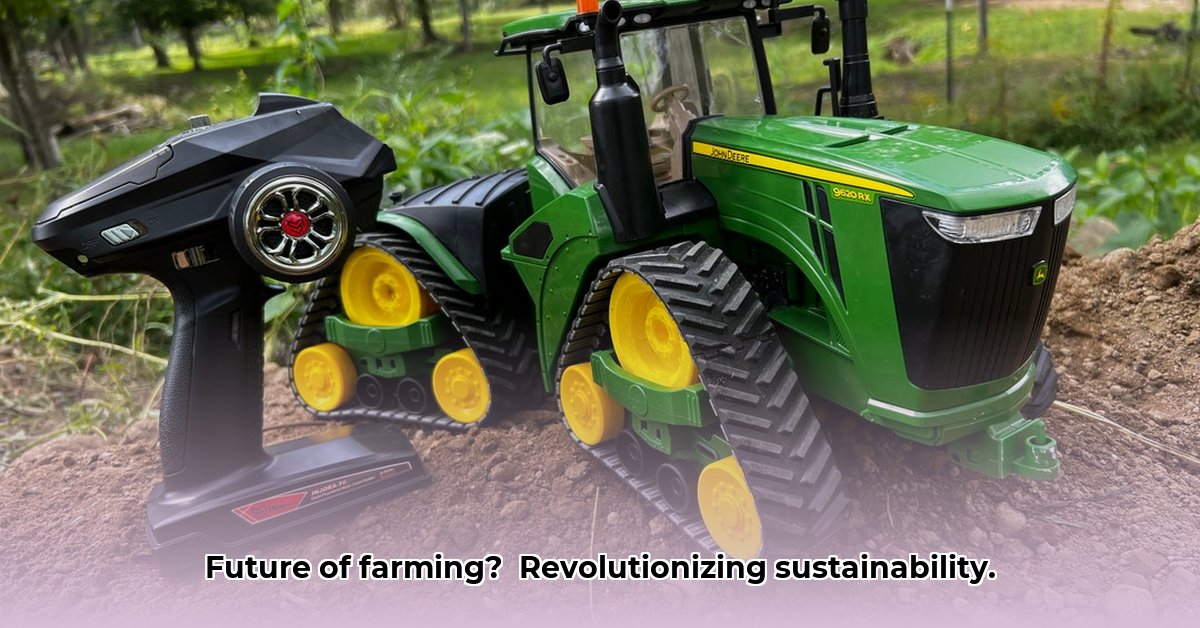
Forget the image of a farmer battling a rumbling tractor. The future of agriculture may be far quieter, thanks to John Deere's innovative remote-controlled (RC) tractors. These aren't mere toys; they represent a significant step towards sustainable farming, a critical element in addressing global food security and environmental concerns. This article explores the technology behind these robotic helpers, examines John Deere's "Carbonfree Certified" initiative, and analyzes the potential for these machines to reshape the agricultural landscape. But are they as revolutionary as they seem? Let's investigate. For more on John Deere's tractor offerings, see their website.
Decoding the John Deere RC Tractor: A Technological Deep Dive
John Deere's RC tractors leverage precision agriculture, a farming management system that uses technology to improve efficiency and sustainability. These aren't simply tractors controlled remotely; they're guided by advanced GPS and sensor technology that allows for pinpoint accuracy in tasks like seeding, fertilizing, and pesticide application. This targeted approach drastically reduces resource waste. Instead of broadcasting seeds across an entire field, for example, the RC tractor plants them precisely where needed, minimizing seed usage and maximizing yield. This precision translates directly into reduced environmental impact. Less fertilizer means less runoff into waterways, while lower fuel consumption contributes to a smaller carbon footprint. How significant are these reductions? Independent studies are needed to quantify these effects precisely.
But how does it work? Imagine an operator comfortably controlling the tractor from a climate-controlled office, guiding it with real-time data visualizations. Advanced GPS systems ensure accuracy down to the centimeter, while sensors provide immediate feedback on soil conditions, allowing for real-time adjustments in resource allocation. This precision isn’t merely a convenience—it's essential to the long-term sustainability of farming practices.
Does this precision translate into real-world benefits? Initial consumer and farmer testimonials are promising; however, extensive, peer-reviewed studies are still needed to fully assess its impact across varied farming contexts.
John Deere's "Carbonfree Certified" – Promise or Marketing Ploy?
John Deere's "Carbonfree Certified" initiative positions the RC tractors as part of a broader strategy toward environmental responsibility. The goal is to minimize the environmental impact across the entire tractor's life cycle, from manufacturing to disposal. While this ambition is commendable, the details surrounding the initiative lack sufficient transparency. The available information largely focuses on reductions in Scope 1 and 2 emissions (direct emissions from John Deere's operations). However, data on Scope 3 emissions (indirect emissions across the supply chain and from the use of the product) remain scarce. This lack of detailed, independently verified data raises concerns about the true environmental benefits and hinders a full assessment of the program's effectiveness. Without clear, verifiable metrics, it's difficult to determine whether the "Carbonfree Certified" label accurately reflects the reality. Greater transparency—backed by independent verification–is crucial to build consumer trust and drive broader adoption.
Market Reception and Scalability Challenges
Early market response, evident in positive Amazon reviews and sales figures, suggests a degree of consumer acceptance for this technology. However, translating this initial success into widespread adoption presents significant challenges. The high initial cost of these tractors poses a substantial barrier for many farmers, particularly smaller operations. Furthermore, the scalability of this technology remains an open question. The successful implementation on a global scale requires substantial infrastructure investments, including reliable network connectivity for remote operation and possibly charging infrastructure for electric models. The economic and infrastructural barriers to widespread adoption are significant and will need to be addressed before the technology can truly reach its potential.
A Farmer's Perspective: Sarah Miller's Story
Sarah Miller, a corn farmer from Iowa, offers a valuable real-world perspective. Implementing a John Deere RC tractor, she observed significant reductions in fuel consumption and fertilizer usage. "The precision is incredible," she shared, "It's allowed me to optimize resource use, resulting in higher yields and a considerable decrease in my environmental footprint." While encouraging, Sarah's experience represents a single data point. Larger-scale studies are needed to validate these findings across varied farming conditions and crop types.
Actionable Steps for a Sustainable Future
To maximize the positive impacts of RC tractors and precision agriculture, a multi-pronged approach is essential.
1. Enhanced Transparency: John Deere must provide comprehensive, independently verifiable data on their RC tractors’ environmental performance, including a detailed breakdown of all Scope 3 emissions.
2. Sustainable Innovation: Continuous investment in research and development is key to further enhancing the sustainability features of RC tractors. This includes exploring renewable energy integration and optimized carbon sequestration techniques.
3. Broader Collaboration: John Deere should collaborate with researchers, farmers, and other industry stakeholders to accelerate the development and adoption of sustainable agricultural practices.
4. Consumer Engagement: Consumers should demand transparency and actively support companies committed to sustainability and openly share data about their environmental performance.
5. Policy Support: Government regulations and financial incentives can dramatically accelerate the adoption of sustainable agricultural technologies.
Conclusion: The Road Ahead for Sustainable Farming
John Deere's RC tractors hold immense potential for sustainable agriculture. However, their success hinges on data-driven assessments, a greater commitment to transparency, and collaborative efforts across all stakeholders. As this technology evolves, its impact must be rigorously evaluated and transparently communicated to ensure its role in creating a truly sustainable food system for the future. The initial promise is clear, but realizing that promise demands a continued commitment to innovation, data-driven improvement, and open communication.